
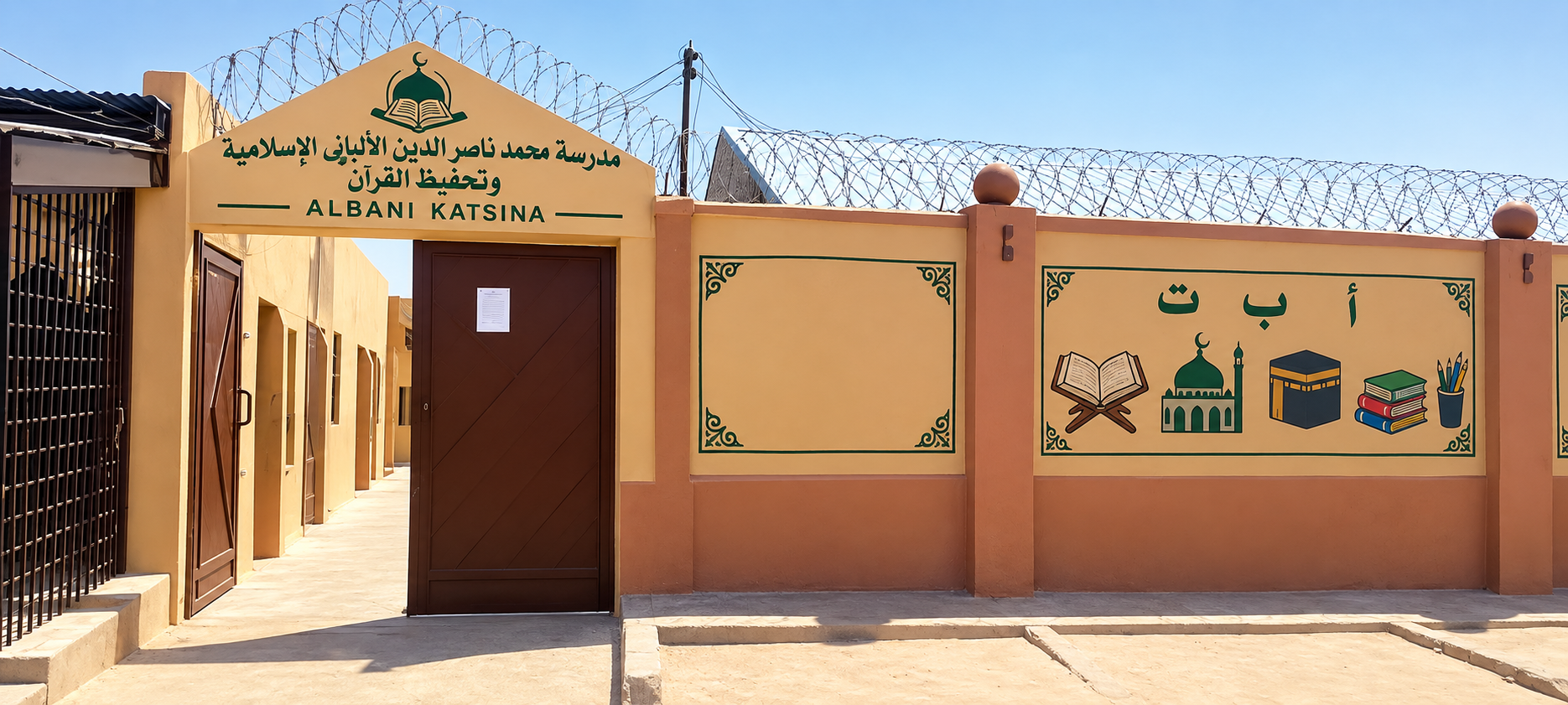
Albani Katsina
مدرسة محمد ناصر الدين الألباني الإسلامية وتحفيظ القرآن
Islamic knowledge, Qur'an memorisation and supporting academic lessons — taught with discipline, care and sincerity.
Welcome to our school
An education rooted in faith
تربية راسخة في الإيمان والعلم
At Albani Katsina, Islamic knowledge, Qur'an memorisation and academic learning come together with a commitment to good character. Discover the purpose of our programmes, the values behind our teaching and the people who make our school a community.
Faith, knowledge and character
الإيمان والعلم والأخلاق
Albani Katsina is an Islamic school and Qur'an memorisation community in Katsina. Our educational purpose brings together the study of Islam, a close relationship with the Qur'an and supporting academic lessons. These are not separate ideas: knowledge gives direction to practice, practice strengthens understanding, and good character gives learning meaning in everyday life.
A child's education is more than the completion of a book or the passing of an examination. It includes the way a learner listens, asks questions, treats classmates and responds to correction. We value sincerity, respect and steady effort, encouraging students to see learning as a responsibility as well as an opportunity.
Our school brings learners together around a shared purpose: to seek beneficial knowledge and grow in faith and understanding. The classroom is a place for reading, reflection and patient practice. Each lesson is an opportunity to build a stronger foundation, while each small improvement is a step towards greater confidence and independence.
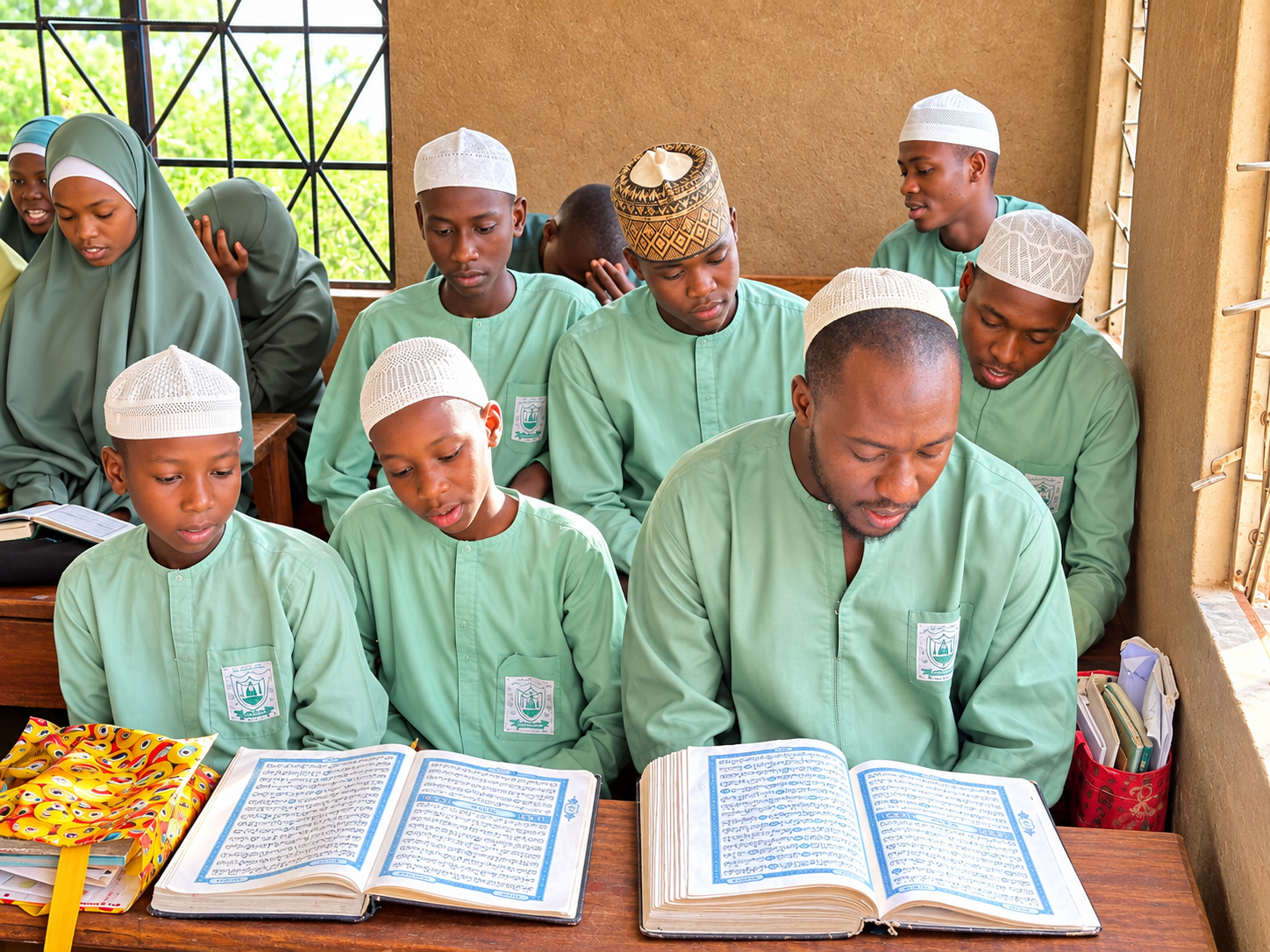
Islamiyya: understanding our faith
الدراسات الإسلامية وفهم الدين
Islamiyya gives learners a structured introduction to Islamic knowledge. Its focus includes Aqeedah, Fiqh, Hadith, Arabic and Islamic studies, helping students connect what they learn with worship, conduct and daily responsibilities. Understanding is important alongside recall: a lesson should help a student think more clearly about what it means to live with faith and good manners.
The study of Aqeedah develops the foundations of belief, while Fiqh introduces the understanding of worship and religious practice. Hadith connects learners with the teachings of the Prophet, peace and blessings be upon him. Together, these areas support an education rooted in knowledge, care and a sense of responsibility.
Arabic is an important part of this journey. Becoming familiar with its letters, words and expressions helps learners engage more closely with the language of the Qur'an and Islamic texts. Progress comes through repetition and attentive study, with space to ask questions and return to ideas that need further explanation.
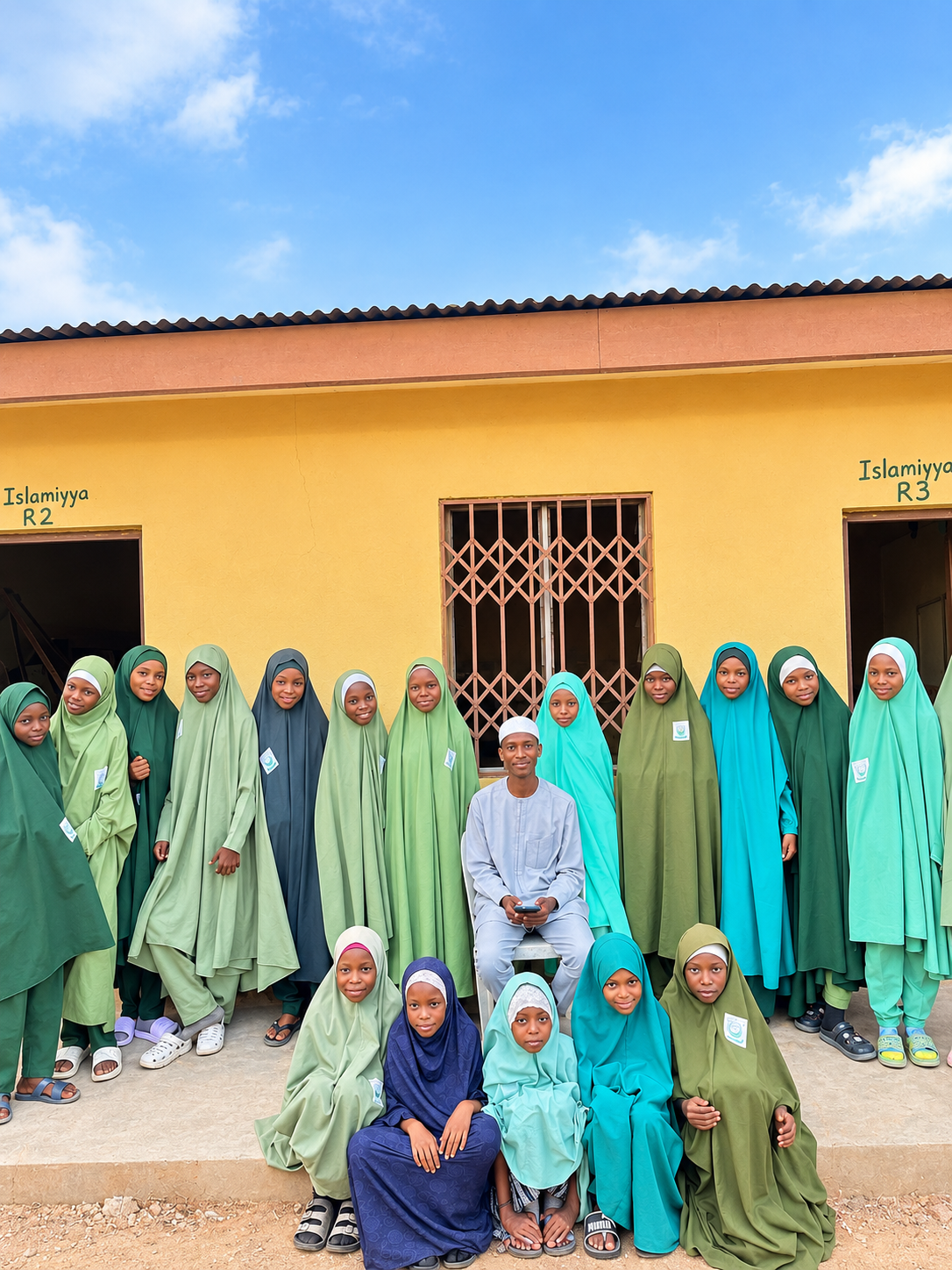
Tahfiz: a lasting relationship with the Qur'an
حفظ القرآن الكريم وتجويده ومراجعته
Qur'an memorisation is a journey of attention, consistency and patience. Tahfiz brings memorisation together with Tajweed and revision, so that learning new passages is accompanied by care for what has already been learned. A strong foundation is built gradually, through listening, reciting and returning to the Qur'an regularly.
Tajweed helps learners give attention to pronunciation and the correct manner of recitation. Revision protects memorisation from being forgotten and turns earlier lessons into a continuing part of the learning routine. Both require time and steady effort; the purpose is not simply to move quickly, but to develop reliable and careful recitation.
Families can support this journey by valuing regular practice and encouraging children patiently. Quiet time for revision, interest in what a child is learning and recognition of sincere effort can all strengthen the connection between classroom study and life at home. The aim is a relationship with the Qur'an that continues beyond a single lesson or school year.
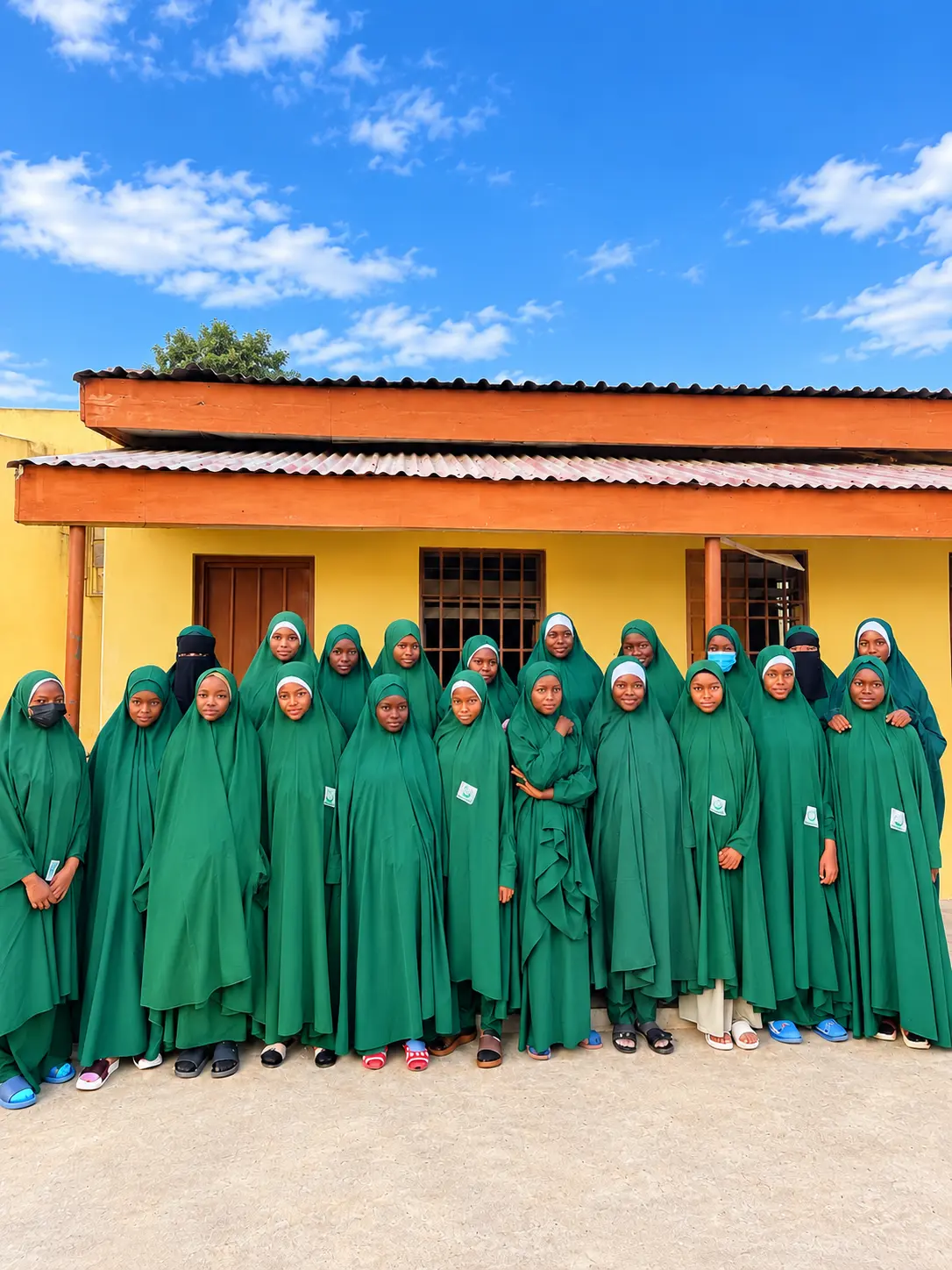
Extra lessons and academic confidence
الدروس الإضافية وتنمية الثقة في التعلم
Alongside Islamic studies and Qur'an memorisation, supporting academic lessons give students time to revisit schoolwork and develop better learning habits. Extra lessons offer another opportunity to practise, clarify difficult ideas and approach academic tasks with greater confidence.
Confidence grows when a learner understands a task rather than simply copying an answer. Reading attentively, working through examples and asking for an explanation are useful habits across many subjects. Consistent practice can help students become more comfortable with unfamiliar questions and more willing to persevere when a topic is challenging.
Supporting lessons also encourage organisation. Preparing materials, completing work carefully and making time for revision are practical parts of education. Families interested in extra lessons should contact the school for current subjects, class arrangements and availability, so that the support chosen reflects the learner's needs.
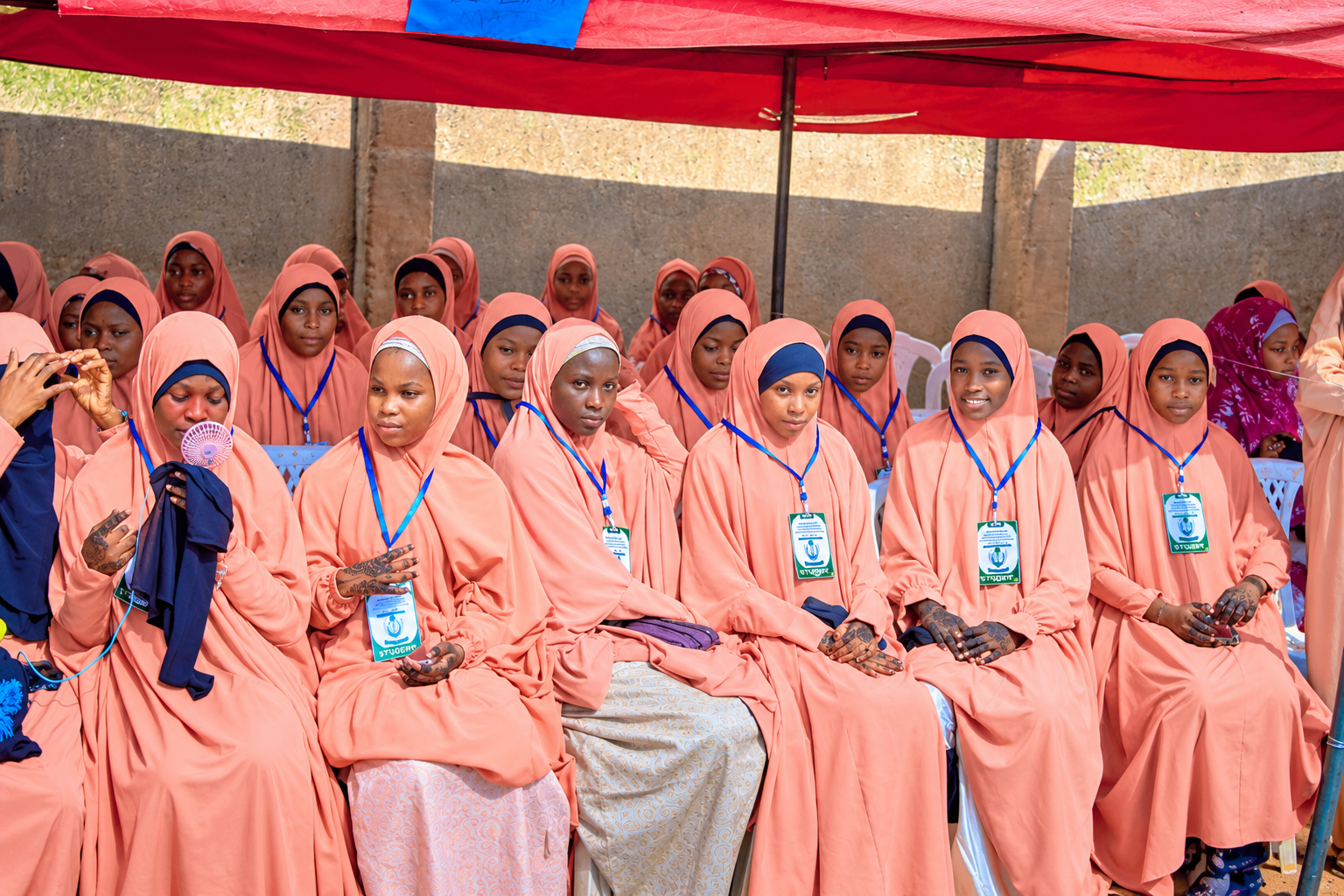
Recognising effort and encouraging achievement
تقدير الاجتهاد وتشجيع الإنجاز
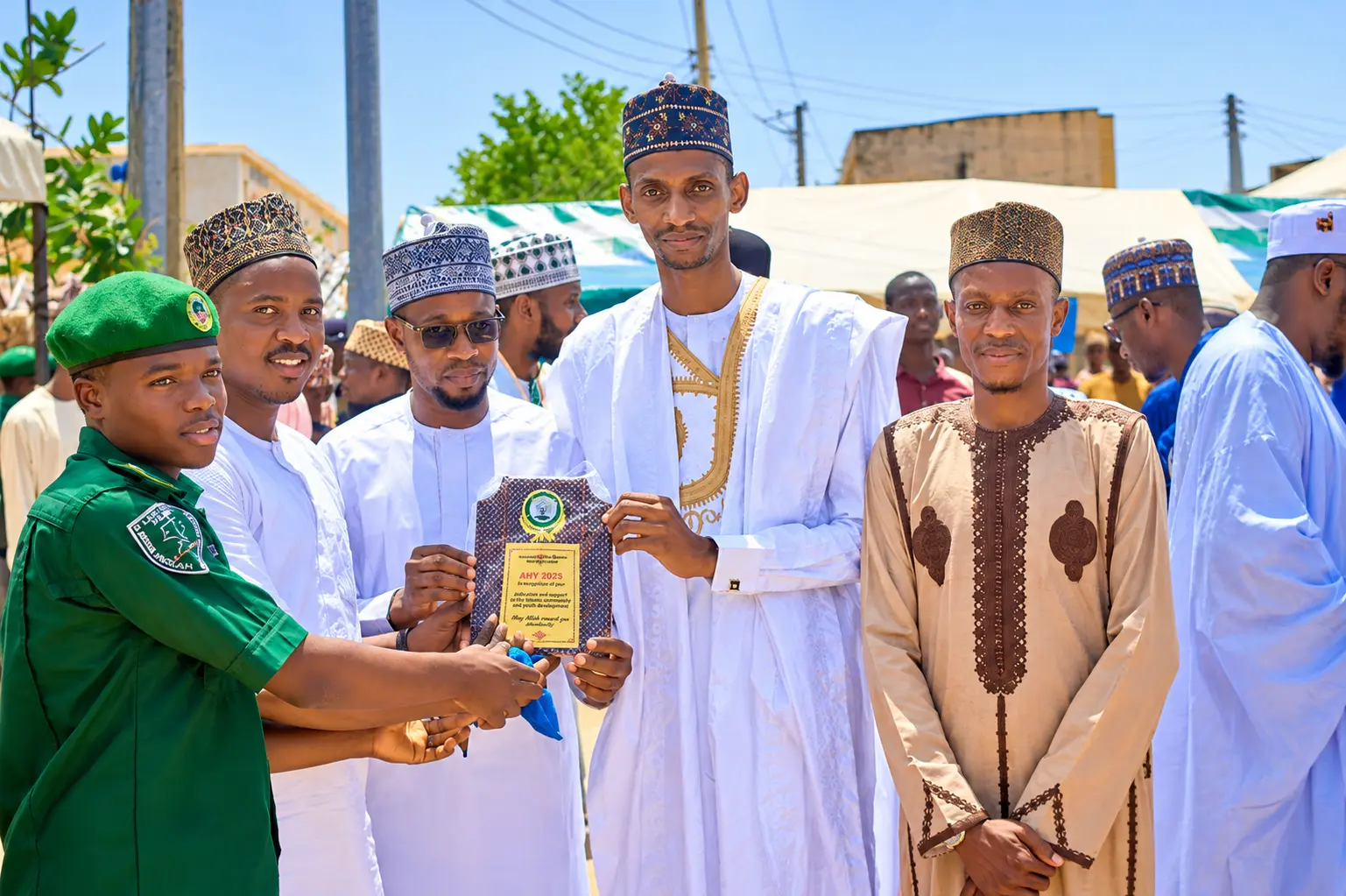
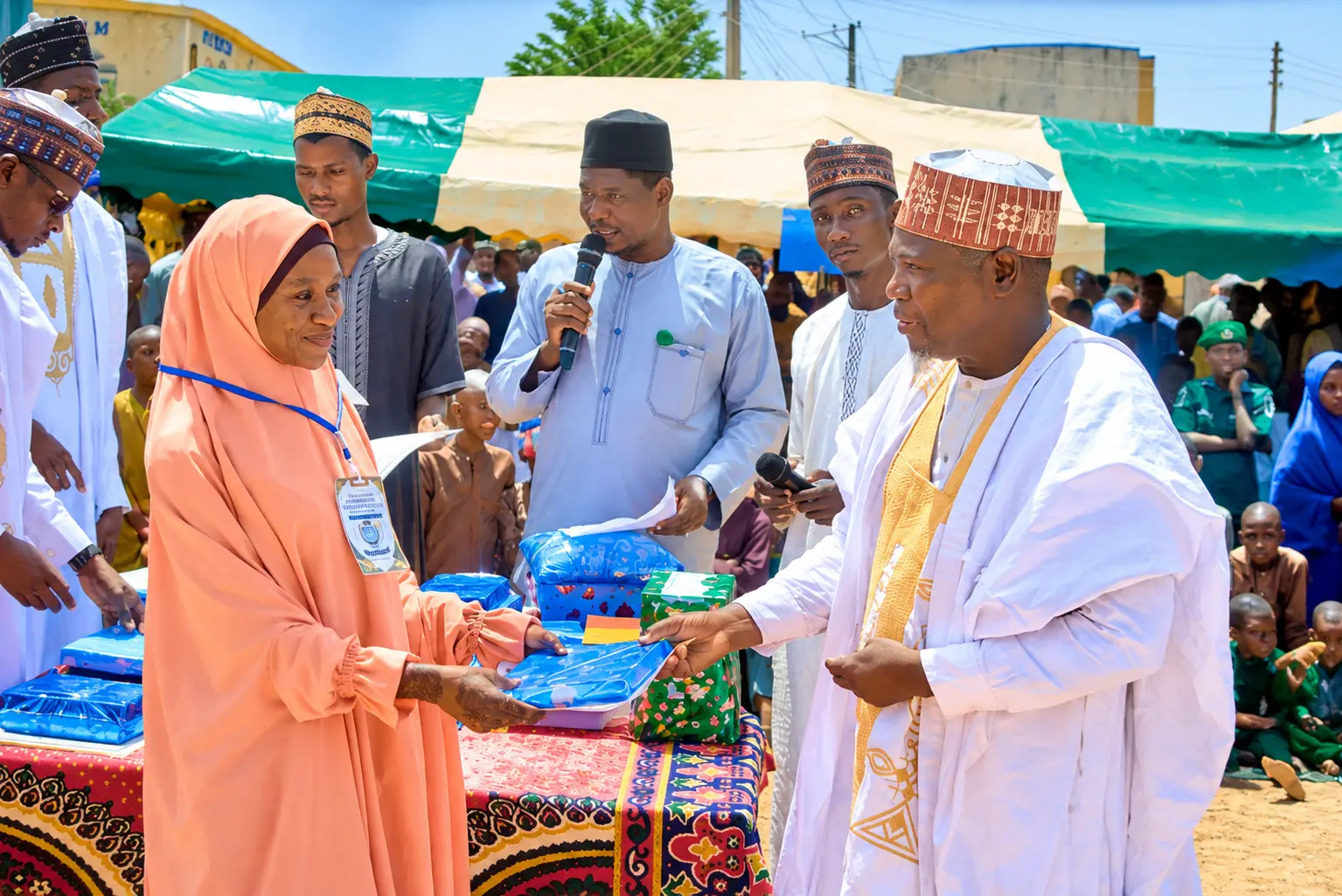
School life includes moments when effort can be recognised and shared. The photographs of presentations and gatherings show a community coming together around its learners. Such occasions offer a chance to appreciate commitment and encourage students to continue working towards their goals.
Achievement has many forms. It may be a passage recited more carefully, a concept finally understood, improved attendance or a more responsible approach to learning. Recognising these steps reminds learners that progress is built through everyday actions, not only through a final result.
Encouragement should strengthen sincerity and perseverance. Celebrating a student's effort can inspire classmates, while the involvement of families and the wider community gives education a shared sense of purpose. The lasting value of recognition is the motivation to keep learning with humility and determination.
A community of care and responsibility
مجتمع تربوي قائم على الرعاية والمسؤولية
A school community depends on the contributions of learners, teachers, families and those who support its daily activities. Education becomes stronger when these groups share an interest in the well-being and development of students. Respectful communication and a willingness to work together help keep the learner at the centre of that relationship.
Teachers guide the learning process, while families help sustain it outside school. Students also have a part to play: arriving ready to learn, treating others respectfully and approaching their work honestly. These responsibilities support an atmosphere in which knowledge can be pursued with seriousness and care.
Parents, guardians and friends of Albani Katsina are welcome to contact the school with enquiries or share suggestions. Questions about programmes, admissions or a learner's education are best discussed directly with the school, allowing families to receive current information rather than rely on assumptions.

Begin your journey with Albani Katsina
ابدأ رحلتك التعليمية مع الألباني كاتسينا
Whether you are exploring Islamiyya, Tahfiz or supporting academic lessons, we welcome your interest in the school. Contact us to discuss current programme arrangements and admission enquiries. Existing students can continue to their student login through Explore.
Latest
School news
أخبار المدرسة